

What Are the Key Material and Design Features of a High-Performance Foaming Soap Pump?
The housing and structural material composition of a foaming soap pump are foundational to its performance, longevity, and compatibility with various soap formulations. The outer casing and internal framework are typically molded from thermoplastic polymers, most commonly polypropylene (PP), polyethylene (PE), polyethylene terephthalate (PET), or acrylonitrile butadiene styrene (ABS). Each material offers distinct mechanical and chemical properties suited to different usage environments. Polypropylene, for example, is widely favored in the industry due to its cost-effectiveness, resistance to corrosion, and excellent performance against acidic and alkaline cleaning agents. It also has a high melting point, making it suitable for exposure to varying temperatures during storage or transportation. PET is often used where mechanical strength and clarity are required. It is shatter-resistant, recyclable, and offers a glossy appearance, which enhances the visual appeal of the final product. In contrast, ABS is chosen for high-end pumps that require a balance of strength, impact resistance, and the ability to accept various finishes such as electroplating, which adds a metallic sheen. Zhejiang EAED Technology Development Co., Ltd., formerly Yuyao Hongda Sprayer Co., Ltd., applies rigorous selection standards for raw materials in its manufacturing process. The company sources certified resins that comply with REACH, RoHS, and FDA standards to ensure safety in cosmetic and personal care use. Located in Yuyao, a hub for precision molding in China, EAED leverages its strategic position near Shanghai and Ningbo to access high-quality materials and logistics infrastructure. Their technical team uses injection molding and multi-cavity tools to create complex part geometries with consistent tolerances.
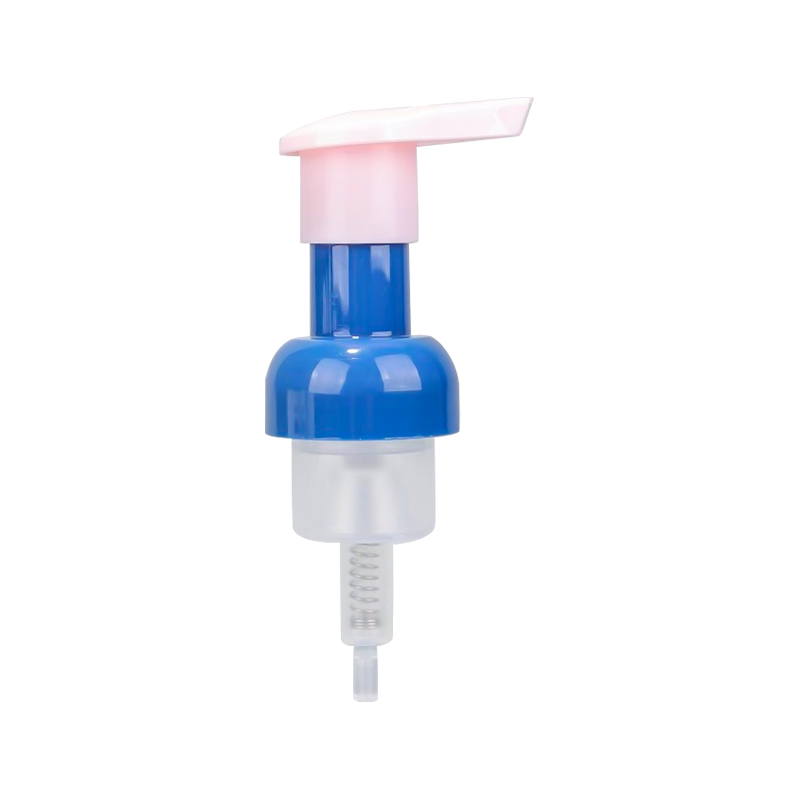
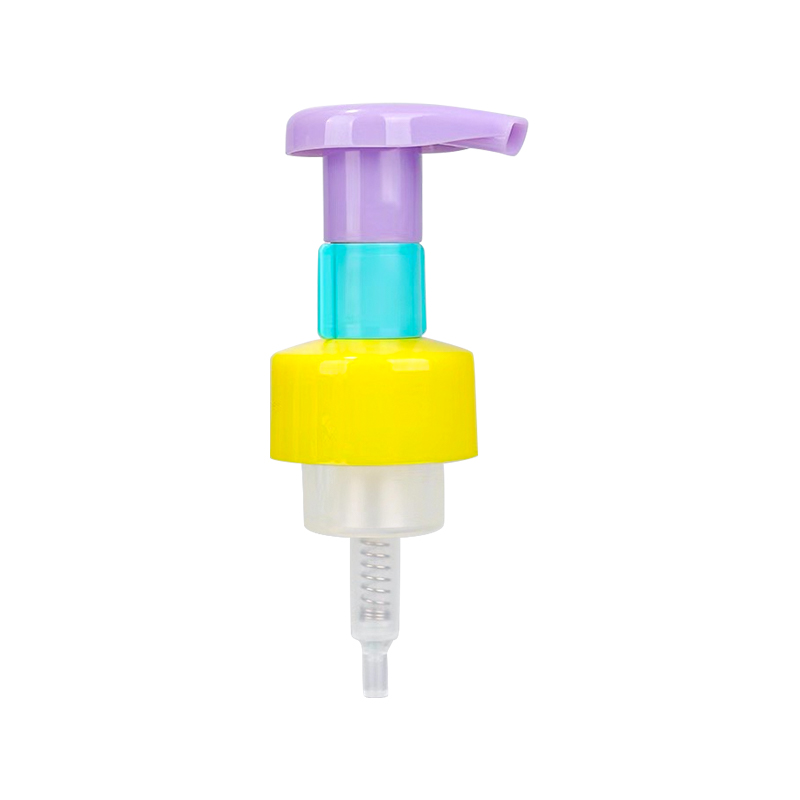
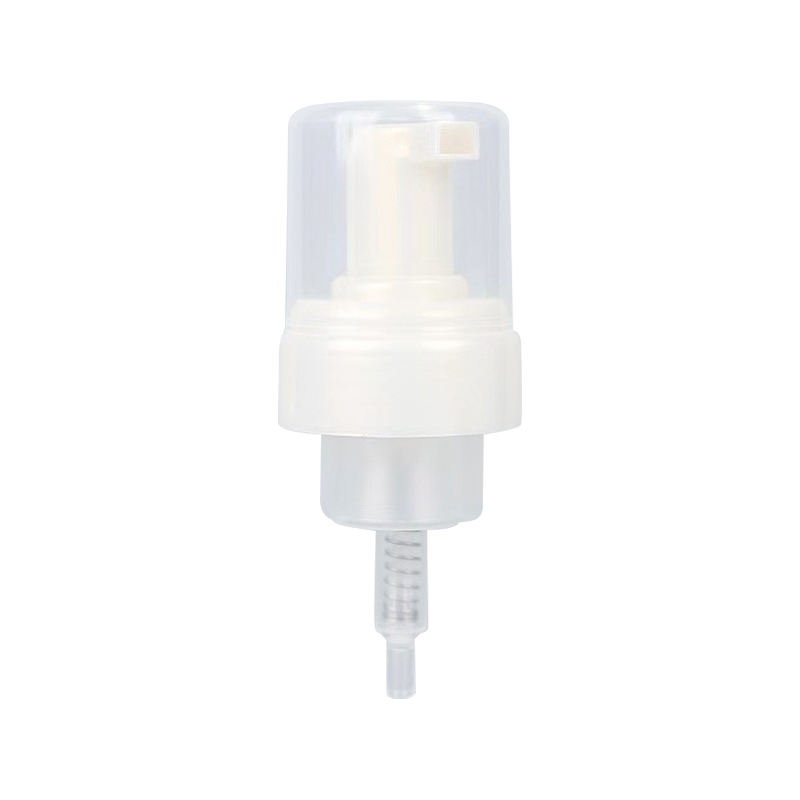
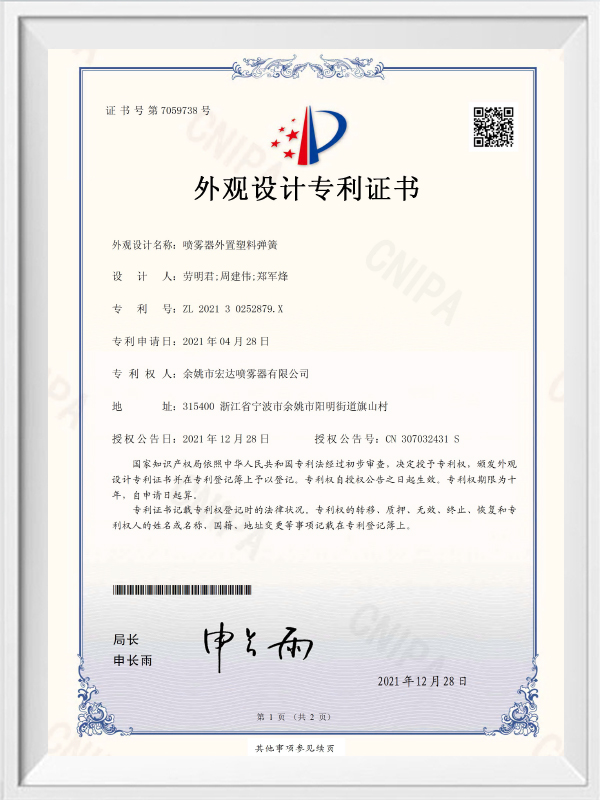
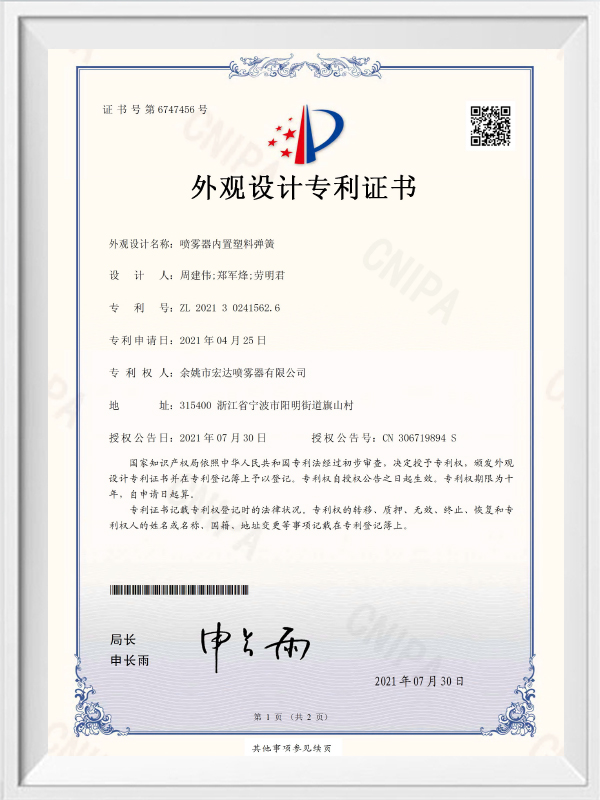
The spring and actuator mechanism inside a foaming soap pump plays a critical role in its operational efficiency, tactile feedback, and consistency in foam output. A pump's actuator is the component pressed by the user to initiate the dispensing cycle. Internally, this force activates a spring mechanism, which moves a piston to draw air and liquid soap into a mixing chamber. After mixing, the foam is expelled through a nozzle. The precision of this process depends heavily on the quality and responsiveness of both the spring and actuator. Stainless steel springs are the industry standard for high-performance pumps due to their strength, flexibility, and corrosion resistance. Grades like SUS 304 and SUS 316 are particularly suitable, as they can withstand the chemical composition of most soap solutions and resist rust formation even in humid environments. These springs are designed to endure thousands of compression cycles without losing tension, ensuring consistent performance across the pump’s lifespan. The actuator itself is designed for ergonomic efficiency. It must provide a smooth and intuitive feel while being durable enough to resist deformation under repeated pressure. EAED engineers its actuators using customized molds that take into account human finger curvature and the desired foam output. The tactile sensation is finely tuned to offer a balance between ease of use and responsive return force, which enhances the user experience in both household and commercial environments. Zhejiang EAED Technology Development Co., Ltd., with its extensive background as a leading Foam Pump Factory, conducts fatigue testing and life-cycle simulations on every actuator and spring combination. This ensures that their pumps remain reliable in high-traffic applications such as public restrooms, hotel washrooms, and medical facilities. The company's adherence to fine management principles and ongoing design refinement has led to actuator assemblies that minimize user fatigue and maximize mechanical precision.
The air-chamber and mesh integration system within a foaming soap pump is responsible for transforming a liquid soap solution into rich, creamy foam. This process occurs through a coordinated mechanism where the pump draws in a mixture of air and diluted soap and forces it through a finely structured mesh. The mesh breaks down the mixture into micro-bubbles, resulting in a dense and consistent foam that is immediately ready for use without additional rubbing or lathering. The mesh itself can be manufactured from high-grade plastic or stainless steel, depending on the pump model and target application. Plastic meshes are cost-effective and suitable for basic applications, while stainless steel variants offer higher durability, especially in industrial or institutional settings where the pump is used frequently. The design of the mesh, including pore size and layering, directly impacts the foam’s texture and uniformity. For a soft and even foam, the mesh must be designed with high precision and positioned correctly within the air chamber. Zhejiang EAED Technology Development Co., Ltd. invests heavily in the research and development of foaming mechanisms. Their engineering team uses fluid dynamic simulation tools to design and test various mesh configurations and chamber geometries to ensure optimal air-soap mixing. As a prominent China Soap Foam Pump Manufacturer, EAED has collaborated with international brands to tailor foam density to regional market preferences, whether that be lighter foam for facial cleansers or denser foam for industrial hand soaps. By housing this critical system within a tightly sealed unit, EAED ensures that its foaming soap pumps maintain consistent performance even after extended use. Their ongoing innovation in air-chamber design supports more efficient use of soap, better foam quality, and reduced clogging or leakage risks—an outcome that aligns with their mission to create value through high-quality, sustainable solutions.
Neck size and output volume flexibility are essential characteristics of a high-performance foaming soap pump, especially when catering to diverse applications in personal care, hospitality, industrial, and institutional sectors. Neck size refers to the threading or opening diameter of the pump that connects to the bottle. Standard sizes such as 28/400, 28/410, and 43/400 allow for compatibility with a wide range of packaging formats. Having multiple size options ensures that pumps can be seamlessly integrated with existing bottles and refilling systems, reducing the need for packaging redesign. Depending on the viscosity of the foaming formulation and the intended end use, customers may prefer different dispensing capacities. For instance, smaller outputs (0.4ml–0.6ml) are common for face washes and premium skincare products, while higher volumes (1.2ml–1.5ml) are preferred for kitchen soaps and industrial hand cleaners. Pumps must be engineered with pistons and valves calibrated for these variations, ensuring consistent delivery with minimal dripping or clogging. Zhejiang EAED Technology Development Co., Ltd. is a market leader in providing extensive customization options in both neck finishes and foam output. As a specialized Foam Pump Factory, EAED supports brands that require proprietary bottle-and-pump systems by offering tailored tooling and precise mold fabrication services. EAED also supports custom color matching, embossing, and logo printing on actuator surfaces, allowing brands to differentiate their product offerings without compromising function. Their manufacturing facilities are designed for flexible batch production, making it possible to deliver both standard and highly customized pump configurations with short lead times. The close proximity to Shanghai and Ningbo enables efficient global distribution, ensuring that EAED’s international partners receive timely support for diverse market launches. This adaptability in product engineering allows EAED foaming soap pumps to fit a wide array of formulations and brand identities while maintaining industry-leading performance.
The highly effective sealing system is vital in the construction of a foaming soap pump to ensure operational reliability and leak-proof functionality. The sealing mechanism comprises several components, including gaskets, O-rings, and valve closures, which must work in concert to prevent the ingress of air and the egress of liquid. Leak-proof functionality is particularly essential during transportation and handling, where temperature changes and mechanical shocks may compromise poorly sealed dispensers. The materials used in sealing components are silicone, nitrile rubber (NBR), or thermoplastic elastomers (TPE). These materials are chosen based on their ability to maintain elasticity and resilience under various conditions, including prolonged contact with surfactants, exposure to different pH levels, and repeated compression cycles. A quality foaming soap pump must also incorporate anti-backflow designs to prevent soap from drying or clogging in the nozzle area, which can result in inconsistent dispensing or microbial growth. Zhejiang EAED Technology Development Co., Ltd., with its rich heritage as Yuyao Hongda Sprayer Co., Ltd., has developed a comprehensive leak prevention strategy embedded in its engineering and quality assurance processes. As a leading China Soap Foam Pump Manufacturer, EAED uses dual-seal architecture and precision-fit parts to guarantee airtight construction across its product lines. Their foaming soap pumps undergo vacuum integrity testing, pressure tests, and real-world simulation scenarios to ensure every unit maintains leak-free performance during storage, shipping, and everyday use. EAED incorporates twist-lock or clip-lock mechanisms into many pump heads, giving added security against accidental discharge during transport. These user-centric designs not only ensure that the product reaches consumers in perfect condition but also enhance its functionality in high-use environments such as hotels, commercial restrooms, and healthcare settings.
